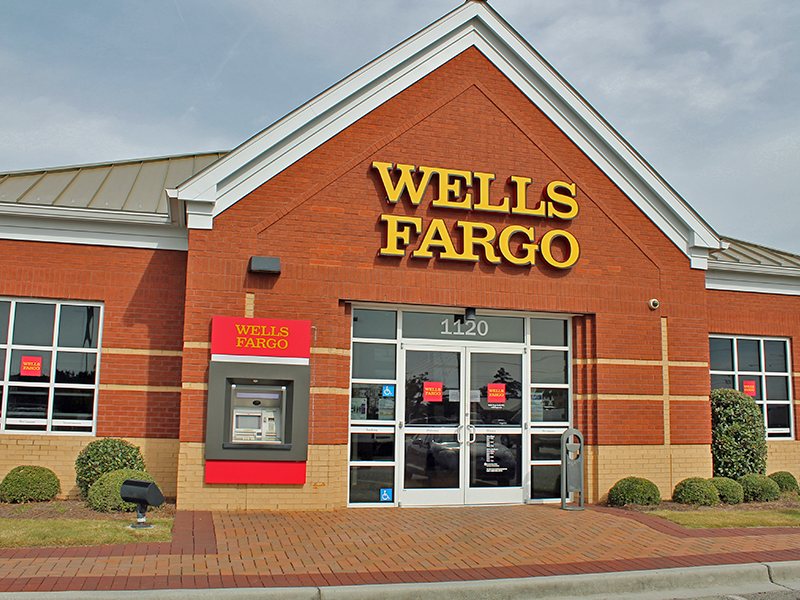
The phrase "passive income" is used loosely in real estate. Rental properties are often called passive, yet they come with tenant calls at 2 AM, maintenance emergencies, vacancy periods, and leasing commissions. There is only one form of real estate that is truly, legally, structurally passive: the NNN triple net property.
With a triple net lease, your tenant — a national corporation like McDonald's, Walgreens, Chase Bank, or Lowe's — is contractually responsible for paying property taxes, building insurance, and all maintenance costs in addition to base rent. You receive a check every month. That is the beginning and end of your obligations as a landlord.
What "Triple Net" Actually Means
The three "nets" in a triple net lease refer to three expense categories that the tenant, not the landlord, is responsible for:
- Net 1 — Property Taxes: The tenant pays all real estate taxes on the property directly to the municipality.
- Net 2 — Building Insurance: The tenant maintains and pays for all building insurance, protecting both the structure and their business operations.
- Net 3 — Maintenance and Repairs: The tenant handles all maintenance, repairs, and capital improvements — roof, HVAC, parking lot, landscaping, and structural elements.
The result: As an NNN landlord, you receive a fixed monthly rent check with no deductions, no surprise expenses, and no management obligations. Your net income is your gross income.
NNN vs. Other Real Estate: The True Comparison
✕ Traditional Rental Property
- Tenant calls for repairs
- Vacancy risk between tenants
- Property management fees (8–12%)
- Capital expenditures: roof, HVAC, plumbing
- Leasing commissions on re-leasing
- Short lease terms (1–2 years)
- Active management required
✓ NNN Triple Net Property
- Tenant handles all repairs and maintenance
- 10–25 year lease terms
- Zero property management fees
- Tenant pays taxes and insurance
- Rent increases built into the lease
- Corporate-guaranteed lease payments
- No landlord involvement required
Who Invests in NNN Properties?
NNN triple net properties attract a specific category of investor: those who have already built wealth through active real estate or business ownership and are now transitioning to preservation and passive income. Common NNN investors include:
Retired Business Owners and Entrepreneurs
After decades building a business, these investors want to convert their liquidity or proceeds from a business sale into predictable income without creating a second job. A NNN property with a 20-year McDonald's lease delivers exactly that — corporate-backed income with no operational involvement.
Apartment and Commercial Real Estate Owners
Multi-family investors often reach a point where managing tenants, vendors, and maintenance teams is no longer worth the effort. A 1031 exchange out of an apartment building and into NNN properties converts active management into passive income — often at comparable or better returns — with a fraction of the workload.
High Net Worth Individuals Seeking Diversification
Investors with stock portfolios, private equity positions, or other assets often use NNN properties to add real estate exposure without requiring active involvement. The long lease terms and corporate tenants create a bond-like income stream with real estate's appreciation potential.
Estate Planning Families
NNN properties are uniquely suited for generational wealth transfer. Each property can be held in a separate LLC, designated to a specific heir, and continue generating income for decades — requiring no management expertise from the beneficiary. Multiple NNN properties create income estates that divide cleanly.
What You Still Need to Do as an NNN Landlord
While NNN properties are as close to truly passive as real estate gets, there are a few minimal responsibilities worth understanding:
- Review annual financial statements from your tenant (if required under the lease)
- Monitor lease compliance — confirm rent is paid on time and the tenant is maintaining the property
- Manage your entity structure — ensure your LLC or holding entity remains in good standing
- Lease renewal planning — as the primary term approaches expiration, evaluate renewal options and re-leasing strategy
- Tax filing — report rental income; your CPA handles depreciation and other tax treatment
None of these require you to visit the property, interact with the tenant, or hire a property manager. Most NNN landlords manage their entire real estate portfolio with a few hours of attention per year.
The Income You Can Expect
NNN properties are priced based on their capitalization rate — the ratio of annual rent to purchase price. Current NNN cap rates typically range from 4% to 7% depending on tenant credit, lease term, and location. A $3,000,000 property at a 5.5% cap rate generates $165,000 in annual rent income — all net, all passive, all delivered without a single maintenance call.
Built-in rent escalations — typically 5–10% every 5 years — mean your income grows over time, partially or fully keeping pace with inflation, without any renegotiation on your part. The increases are contractually locked into the lease from day one.
Ready to stop managing and start collecting? Contact Only NNN Properties to receive a current list of available NNN properties nationwide.