When exploring NNN triple net properties, you will quickly encounter two distinct ownership structures: fee simple and ground lease. Both can provide excellent passive income with long-term national tenants, but they differ fundamentally in what you own, how the lease works, and the long-term implications for financing, appreciation, and estate planning.
Understanding this distinction before you buy is not optional — it directly affects your purchase price, your ability to finance the property, your income during the holding period, and your options when you eventually sell or exchange. This guide breaks down both structures completely.
Fee Simple NNN: The Standard Ownership Model
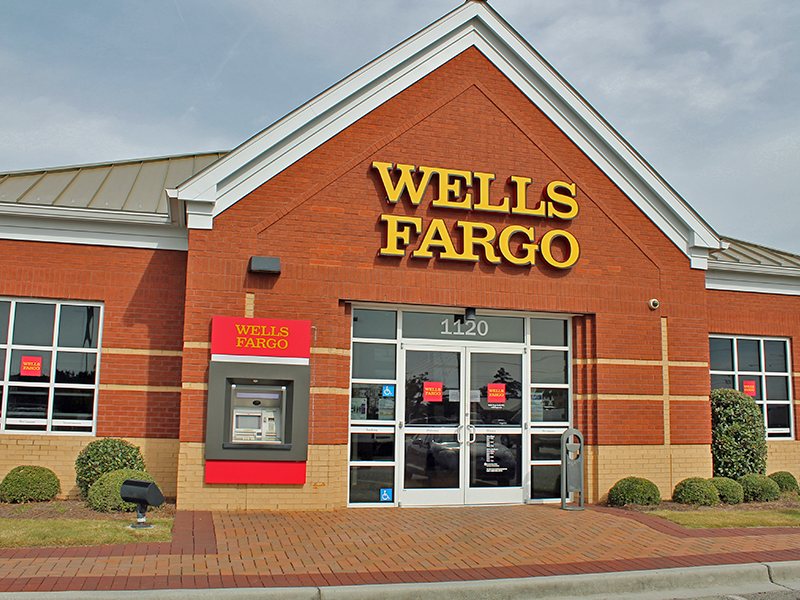
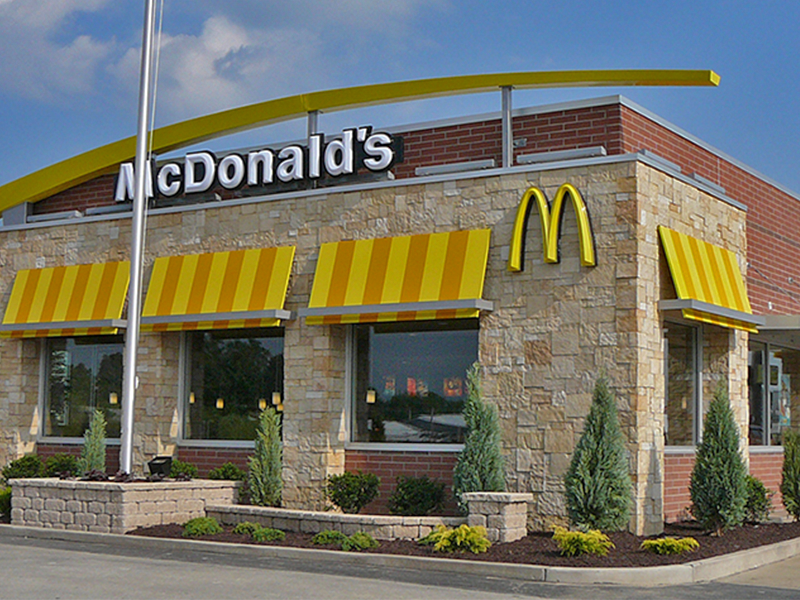
In a fee simple NNN property, you own both the land and the building outright. This is the most common and straightforward form of NNN ownership. When you purchase a fee simple NNN property — a McDonald's, a Walgreens, a Chase Bank — you receive the deed to the entire parcel: land, structure, parking lot, and all improvements.
Your tenant then leases the property from you under a triple net lease agreement. They pay rent, taxes, insurance, and all maintenance. At the end of the lease term (or if the tenant vacates), you own the building and land free and clear, with full flexibility to re-lease, redevelop, sell, or exchange.
Key Characteristics of Fee Simple NNN
- You own land + building. Full ownership interest in all physical improvements on the parcel.
- Standard financing. Lenders are highly comfortable with fee simple NNN; strong LTV ratios and competitive rates are available for investment-grade tenants.
- Full residual value. At lease expiration, you own a potentially re-leasable or re-developable commercial property.
- Higher purchase price. Because you own more, you pay more — fee simple NNN properties typically command lower cap rates (higher prices) relative to ground leases.
- Full depreciation. You can depreciate both the structure and improvements, generating tax benefits throughout your holding period.
Ground Lease NNN: The Land-Only Model
In a ground lease NNN property, you own only the land. The tenant — typically a major national corporation — owns, builds, finances, and maintains the building themselves. They are leasing the land from you under a long-term ground lease, typically 25 to 99 years, and paying you rent for that ground occupancy.
Ground leases are common with fast food chains, banks, gas stations, and major retailers that prefer to control their own buildings for operational and accounting reasons. From the landlord's perspective, you own the most permanent and inflation-resistant asset in real estate — raw land — while the tenant takes on all construction and maintenance cost and risk.
Key Characteristics of Ground Lease NNN
- You own land only. The tenant owns the building throughout the lease term.
- Very long lease terms. Ground leases typically run 25 to 99 years — providing exceptionally long income stability.
- Building reverts to you at expiration. When the ground lease expires, the building and all improvements typically become your property at no additional cost — a potentially significant windfall.
- More complex financing. Lenders treat ground lease properties differently; financing can be more complex and sometimes requires ground lease lender approval provisions in the lease.
- No building depreciation. Since you don't own the building, you cannot depreciate it — reducing annual tax benefits compared to fee simple.
- Lower purchase price. Ground lease NNN properties often trade at higher cap rates (lower prices) because lenders are less flexible and ownership is more complex to understand.
Side-by-Side Comparison
■ Fee Simple NNN
- Own land AND building
- Standard 10–25 year lease
- Strong conventional financing
- Full depreciation benefit
- Residual value = land + building
- Higher price / lower cap rate
- Easier to sell or exchange
- More common, wider buyer pool
■ Ground Lease NNN
- Own land ONLY
- Long lease: 25–99 years
- More complex financing
- Land depreciation only (not typical)
- Building reverts at lease end
- Lower price / higher cap rate
- Smaller buyer pool at resale
- Exceptional long-term income
Quick Reference: Fee Simple vs. Ground Lease
| Factor | Fee Simple | Ground Lease |
|---|---|---|
| What You Own | Land + Building | Land Only |
| Typical Lease Term | 10–25 Years | 25–99 Years |
| Tenant Builds Structure? | No — You own building | Yes — Tenant builds & owns |
| Building at Lease End | You already own it | Reverts to you |
| Financing Complexity | Standard | More Complex |
| Tax Depreciation | Land + Building | Land Only |
| Typical Cap Rate | 4%–6.5% | 5%–7.5% |
| Buyer Pool at Resale | Broad | Narrower |
Which Structure Is Better for NNN Investors?
Neither structure is inherently superior — the right choice depends on your investment objectives, financing strategy, and holding period expectations.
Choose Fee Simple When:
- You want the clearest, most financeable ownership structure
- You are executing a 1031 exchange and want maximum lender flexibility
- You plan to sell or exchange within 10 to 15 years
- Tax depreciation is important to your overall tax strategy
- You prefer the widest possible buyer pool at resale
Consider Ground Lease When:
- You are a long-term or generational holder with a 25+ year time horizon
- You want exceptionally long income with no re-leasing risk for decades
- The reversion of the building at lease end is a meaningful part of your return calculation
- The higher cap rate provides better current income for your cash flow needs
- You own the ground lease free and clear (no financing complexity)
Important note on 1031 exchanges: Both fee simple and ground lease NNN properties qualify as like-kind exchange replacement properties. However, lenders financing ground lease acquisitions may require specific lease language (subordination, non-disturbance, and attornment provisions). Confirm financing requirements with your lender before identifying a ground lease property as your 1031 replacement.
At Only NNN Properties, we represent buyers in both fee simple and ground lease NNN transactions nationwide. Contact us to discuss which ownership structure best aligns with your income goals, tax strategy, and investment timeline.